SEMA 2026: Visit 360 Payments at Booth 11253!
Visit 360 Payments at SEMA 2026, Booth 11253! See Text-to-Pay, financing & show specials.

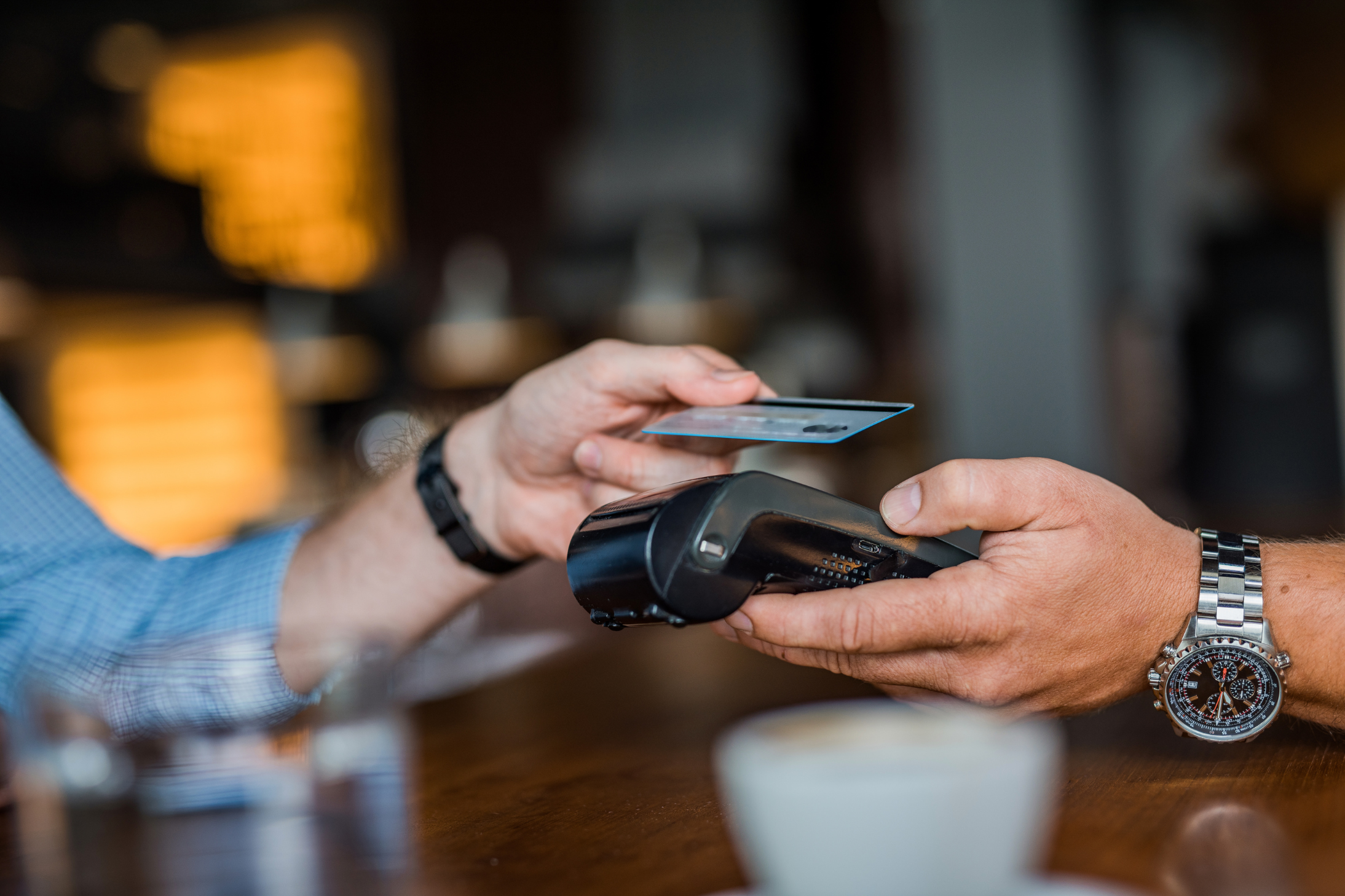
As an auto shop owner, you may have seen the topic of surcharging often come up in the aftermarket industry, and you may wonder if it is right for your shop. This blog will cover the current state of surcharging and debunk several surcharging myths as it relates to your shop.
Surcharging Evolution
Surcharging was against Visa and Mastercard regulations several years ago and you could not push the credit card processing fee on to your customers. You may have seen convenience stores trying to charge an extra $.30 fee when using a debit card, but that was not supposed to happen. After many different regulations and legislation went through within the past 5 years, the rules changed, and Visa/Mastercard allowed adding surcharge fees to the customers.
Over the last three years, surcharging has started appearing across almost all industries. Surcharging was seen a lot in restaurants and coffee shops - trying to cover their processing costs. It has now become a big topic in the auto aftermarket industry since so many large ticket items are paid via credit card. When the larger auto shops do $100k in credit card volume, those fees can add up. It is a very attractive option for shop owners to obtain a couple grand a month in credit card processing fees by surcharging. But, the biggest thing these shops need to consider is if you are going to do it, is how to surcharge correctly.
Does Surcharging affect all cards?
Businesses are only allowed to offer surcharging on credit card payments. Visa/Mastercard does not allow surcharging on any form of debit card transaction, not PIN Debit or credit option with a debit card.
How to know if your auto repair shop is in surcharging compliance
In the past, shops wanting to make up their credit card processing fees have thrown a line item on the invoice titled convenience fee and charged 3.5%. That used to work, until regulations were put into place. When surcharging first launched, you could pass up to 4% back to the customer. As of April 2023, it was reduced to only 3 percent.
Many businesses still have 3.5% as their surcharge fee and this is technically out of compliance with Visa/Mastercard. Since you are not allowed to surcharge on debit cards, prepaid cards, or gift cards, you can’t just have that line item on your invoice since you are not sure which card the customer is putting in that terminal. If they have a debit card and you run that with the fee, you will be out of compliance.
What happens if a repair shop offers noncompliant surcharging?
Since many businesses were operating out of compliance and charging a fee higher than the 3% allowed, Visa hired over 100,000 secret shoppers in 2024 to shop with debit cards. If your shop surcharges on that debit card transaction, Visa can fine your shop a very hefty fine, with the minimum being $5,000. You are putting your business at risk if you are not surcharging the right way. Regulations can change often, so it is important to work with a payments partner in 100% compliance with state and federal laws. Businesses should not assume they can do a flat service charge and follow compliance regulations.
What has 360 Payments done to implement compliant surcharging?
360 Payments has rebuilt an entire gateway specifically for surcharging to make sure it is compliant with all Visa/Mastercard regulations. With 360 Payment’s integrated payments feature, credit card terminals automatically read the BIN number, which is just the first 6 digits of the card, and know whether it is a debit card or credit card. If it is a debit card and gets inserted, it automatically sees that and removes the surcharge. From a shop’s standpoint, you can run your business the way you normally do, no matter what transaction or card customers use for their transaction.
Another part of the surcharge regulations states that signage must be present in your shop and disclosed to your customer. There needs to be a sign on the entrance of the shop, signage at the desk, and at every available check out station explaining what surcharging is and the fee amount. The invoice must also disclose the surcharge amount. 360 Payments has worked with their partners to have everything for surcharging integrated so it’s still the same checkout process.
At checkout, the shop clicks a button in the shop management system and it lights up the credit card terminal that is customer facing, then the customer puts in their own card and will sign digitally, and depending on what card they select, will determine if the transaction will get surcharged. If so, the surcharging amount and disclosures will appear on the screen.
Interested in surcharging, but not sure where to start?
Here are the first two steps you can take to decide if you should implement surcharging for your auto shop:
1) Reach out to us at 360 Payments (or your preferred credit card processor) to get a quote and understand the whole process and what comes with it. We will break down pricing, how the integration works, and what terminals to use to be in full compliance.
2) Do your research. Is it the right thing for your business? There are so many different opinions on surcharging and ways to cover those costs for your business. If you make the decision to do it, there are a lot of processors out there that may not be offering complaint surcharging. Get yourself educated and talk to a processor that you know and trust in the automotive industry.
Want to see this blog in action? Click here to watch this episode by the Repair Crew and 360 Payments.

Visit 360 Payments at SEMA 2026, Booth 11253! See Text-to-Pay, financing & show specials.
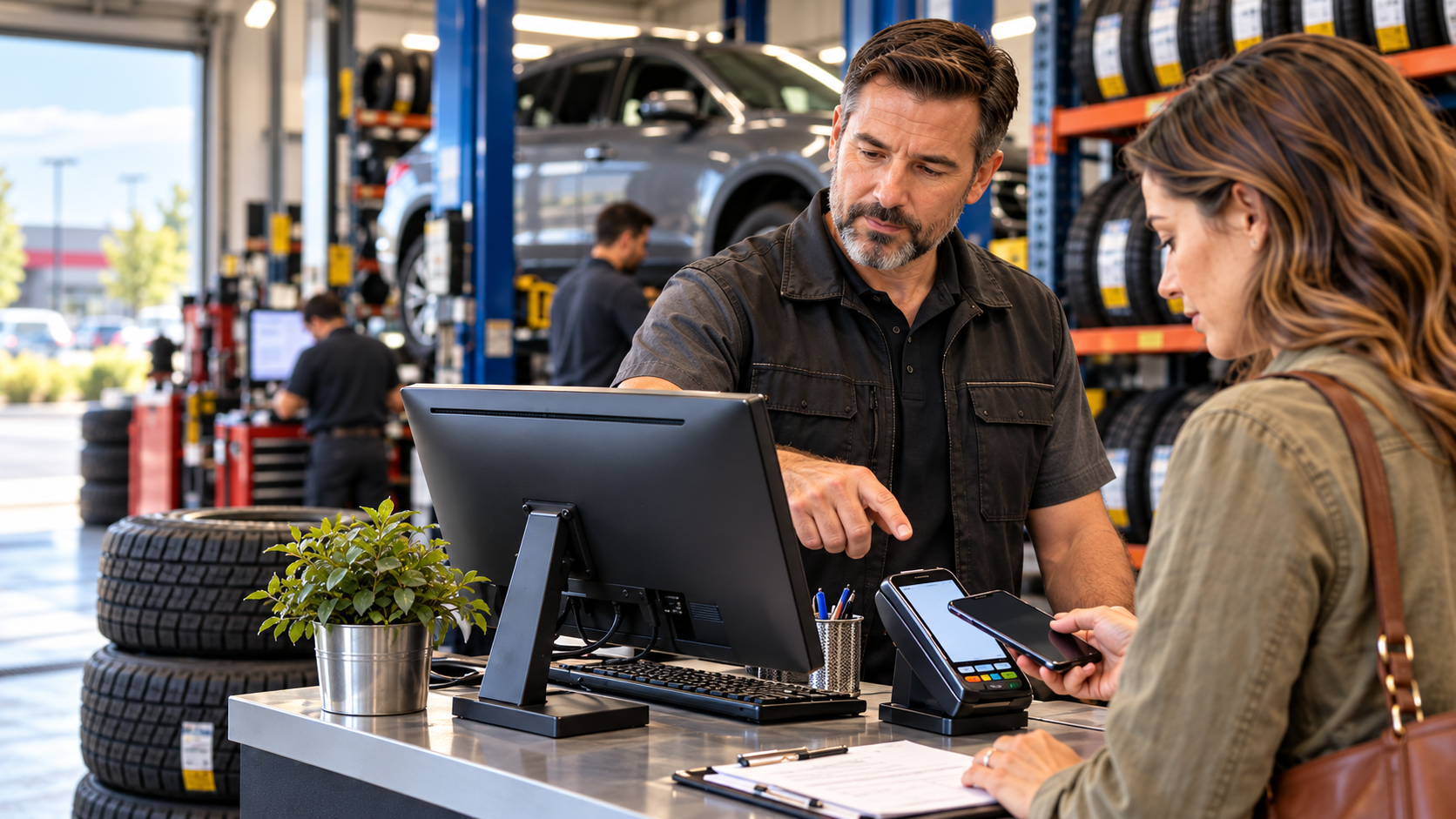
Industry experts break down tire consolidation, pricing pressure, and why payments matter.

Learn what drives shop valuation, how to prepare for a sale, and what buyers look for.